
Gaon Ka Saman: Custom Shopify Development Services Portfolio
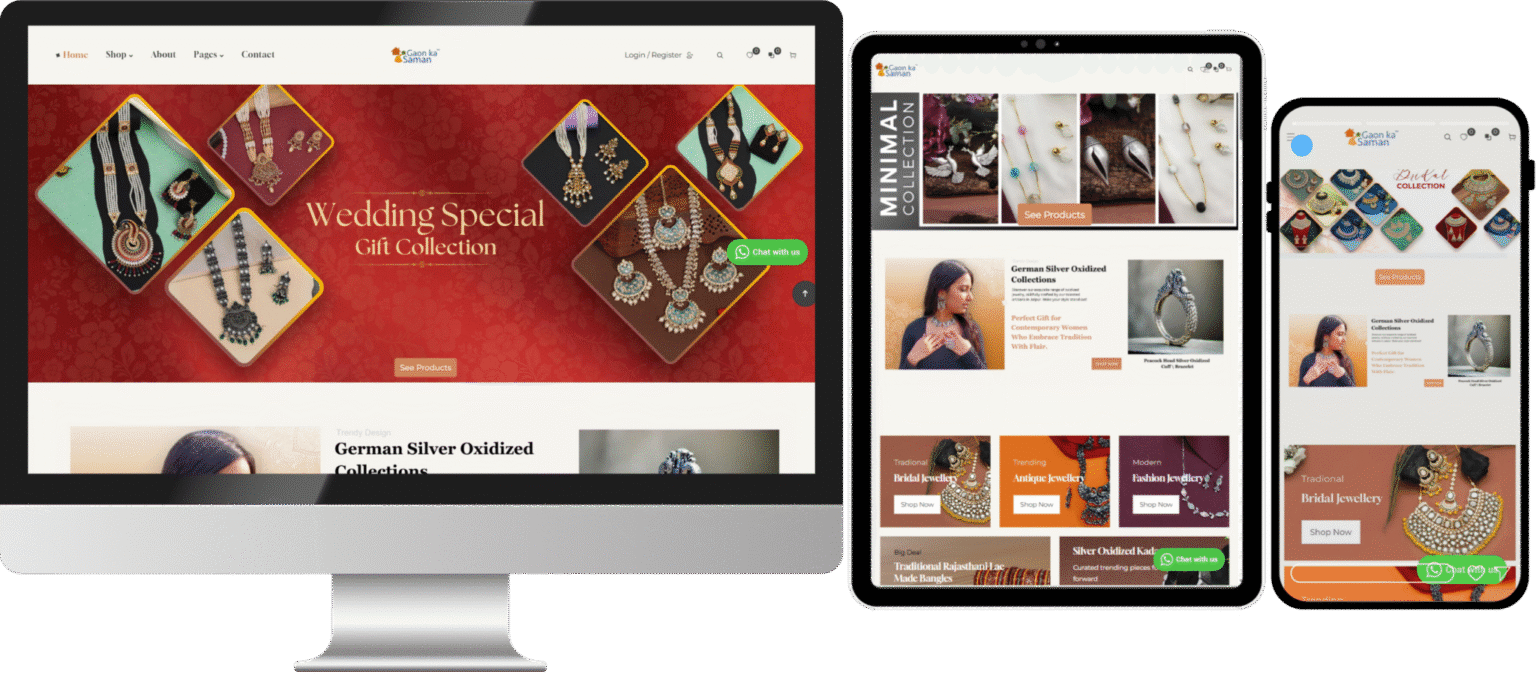
Industry
E-commerce
Platform
Shopify
Bussiness
Selling Traditional Indian Jewelry
Services
Custom Shopify development, theme customization, SEO optimization, & ongoing support
About Client
Gaon Ka Saman is a visionary e-commerce platform dedicated to showcasing and selling traditional Indian jewelry while supporting local artisans and promoting authentic “Made in India” products. The brand represents the rich cultural heritage of Indian craftsmanship, connecting traditional artisans with modern consumers who value authenticity and quality.
The client approached Yaandu Corporate Private Limited with a mission to create a digital marketplace that would not only serve as a custom Shopify development service but also as a cultural bridge, empowering rural artisans by providing them with a global platform to showcase their traditional jewelry creations.
Custom Shopify Development Service Provider - From Concept to Launch
Yaandu provides complete end-to-end custom Shopify development service provider solutions including custom themes, apps, integrations, and ongoing support for your success.
Project Overview
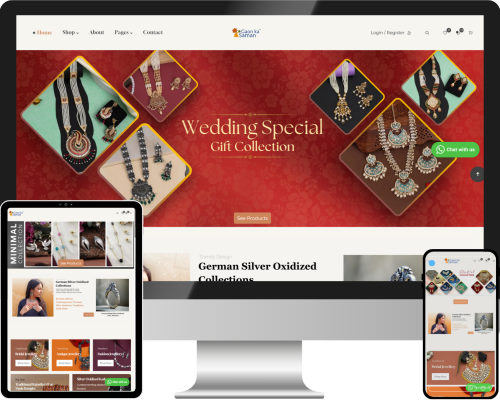
This comprehensive Shopify development project involved creating a sophisticated e-commerce platform that celebrates Indian artisanal jewelry while delivering a seamless shopping experience. Our certified Shopify developers designed and developed a feature-rich online store that perfectly balances traditional aesthetics with modern functionality.
Our primary goal was to build a user-friendly, secure, and visually appealing Shopify store that enables Gaon Ka Saman to reach a broader audience, increase online sales, and establish a trusted marketplace for authentic Indian jewelry. This custom Shopify development service was tailored to meet the unique needs of the brand and its artisan partners.
Client Challenges
Enterprise Custom Shopify Development Service Company
Scale your business with custom Shopify solutions designed for growth, performance, and seamless user experiences